Logistics consulting & systems improvement
Smarter, more measurable logistics operations
UE Delivery helps logistics companies analyze their operations, remove inefficiencies and build measurable workflows through technology and process optimization.
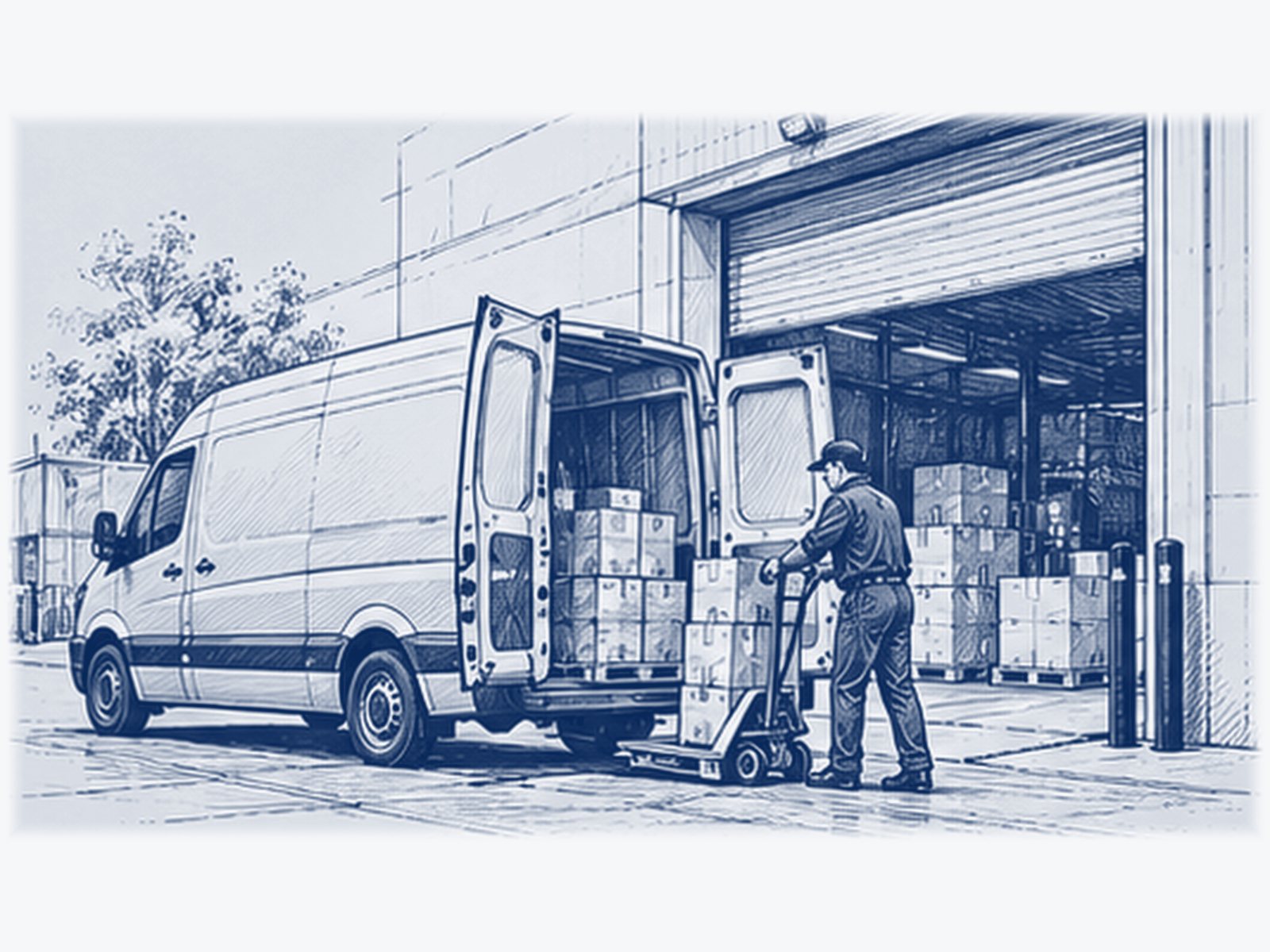
What we improve
Operational efficiency
Fewer steps, fewer hand-offs and less waiting between them.
Fewer human errors
Checks built into the workflow instead of relying on memory.
Higher productivity
The same team gets more done, with less firefighting.
Measurable control
Transparent systems and a few numbers everyone trusts.
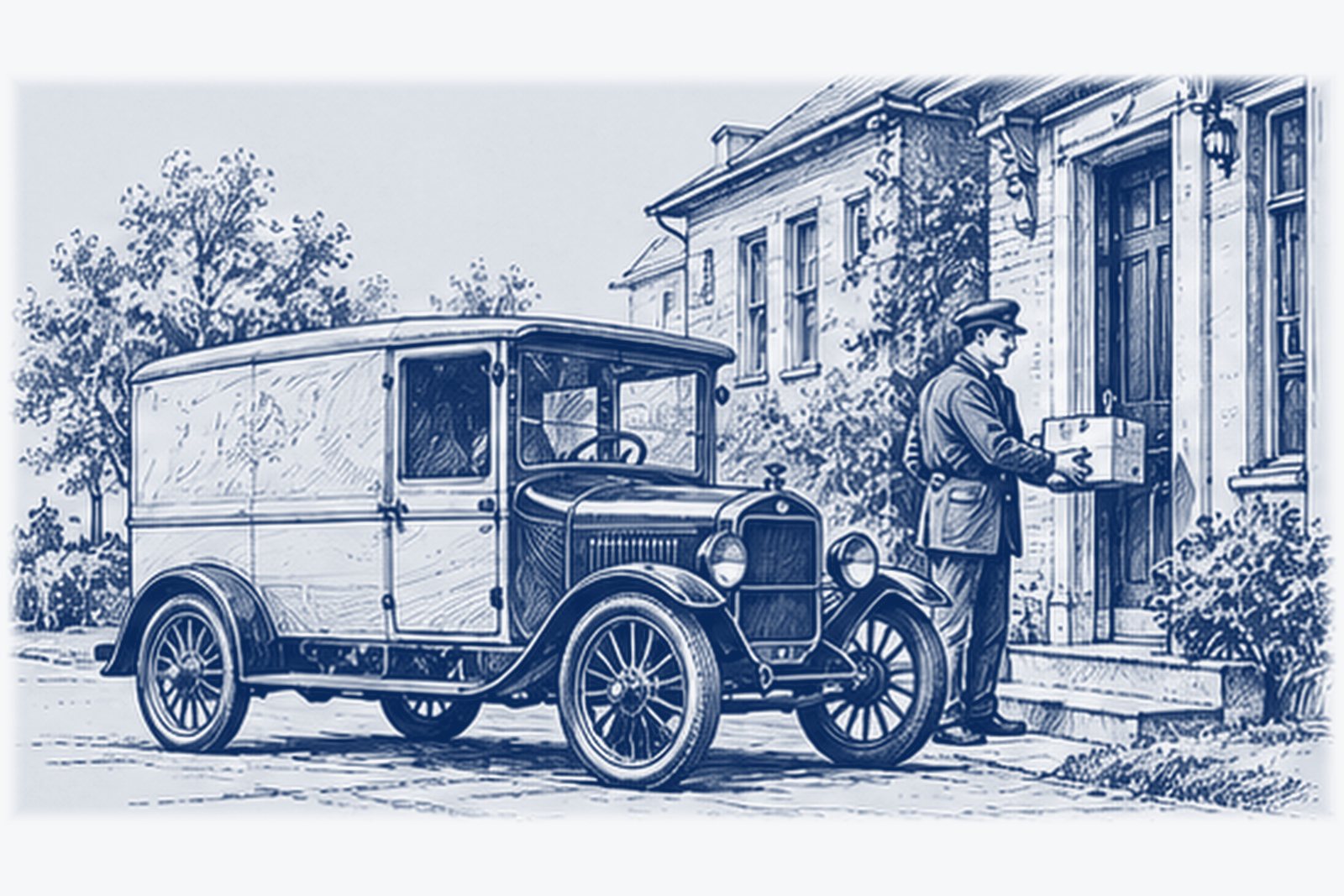
From running deliveries to improving them
UE Delivery started as a hands-on delivery business. We know the dock, the dispatch desk and the route because we worked them ourselves.
Today we put that experience to work for other logistics companies as a project-based consulting and systems improvement firm. We provide operational expertise, strategic guidance and technology-driven solutions, not field delivery services.
About UE DeliveryWhat we do
Five services, delivered as defined projects. Start with one or combine them.
Operations assessment
We study how your operation actually runs: on the dock, in dispatch, on the road and in the back office. You get a clear picture of where time, money and accuracy are lost.
Learn moreProcess and workflow design
We redesign the daily work so it takes fewer steps, fewer hand-offs and fewer chances for error, from order intake to proof of delivery.
Learn moreTechnology and digital transformation
We help you choose, configure and connect the right tools, so data is entered once and moves on its own, instead of buying software and hoping it fits.
Learn morePerformance and visibility
We define the handful of measures that tell you how the operation is doing, and set up the reporting that keeps them in front of the right people.
Learn moreStrategic advisory
For leadership teams planning growth, a new service line or a change in how they operate, we bring an operator's view to the decision.
Learn moreNot sure where to start?
Most projects begin with an operations assessment. It gives you a clear, costed list of priorities, whether or not you continue with us.
Talk to us
What changes after an engagement
Most operations try one of two things: leave it as it is, or buy new software and hope it fits. Here is how the day looks after we work on it together.
Dispatch and routing
- Left as it is
- Planned from memory and phone calls
- New software alone
- Automated, on yesterday's rules
- With UE Delivery
- Rebuilt around how your routes really run
Order and data entry
- Left as it is
- Typed in twice, by hand
- New software alone
- Typed once, still by hand
- With UE Delivery
- Captured once and checked automatically
Exceptions
- Left as it is
- Found when the customer calls
- New software alone
- Flagged in a screen nobody opens
- With UE Delivery
- Sent to an owner with a deadline
Reporting
- Left as it is
- A spreadsheet on Friday
- New software alone
- Dashboards nobody trusts
- With UE Delivery
- A few numbers everyone agrees on
Visibility
- Left as it is
- Ask the dispatcher
- New software alone
- Depends on who logged in
- With UE Delivery
- Live status for managers and customers
Procedures
- Left as it is
- In people's heads
- New software alone
- In the vendor's manual
- With UE Delivery
- Written down, trained and owned by your team
Technology choices
- Left as it is
- Bought when something breaks
- New software alone
- Chosen from a sales demo
- With UE Delivery
- Chosen against your actual workflow
Training
- Left as it is
- Shadow someone for a week
- New software alone
- A login and a video
- With UE Delivery
- Hands-on, built around the new process
Where is your operation losing time?
Pick what sounds familiar. We’ll tell you where we would start, and you can send the list straight to us.
Nothing picked yet.
Choose one or more from the list and your starting point appears here.
How a project runs
Every engagement follows the same four stages, from the first site visit to a measured result.
Stage 1
Discover
We spend time where the work happens and learn how your operation really runs.
Stage 2
Analyze
Every step, hand-off and system, with the delays and errors measured.
Stage 3
Design
Simpler processes and the right technology, agreed with the people who run them.
Stage 4
Implement
We support the rollout and set up the numbers that show it is working.
Ready to improve your operation?
Tell us how your operation runs today and we'll suggest where to start.